Mingkie: A Script Font for Modern Web Design
The Rhythm of Readability
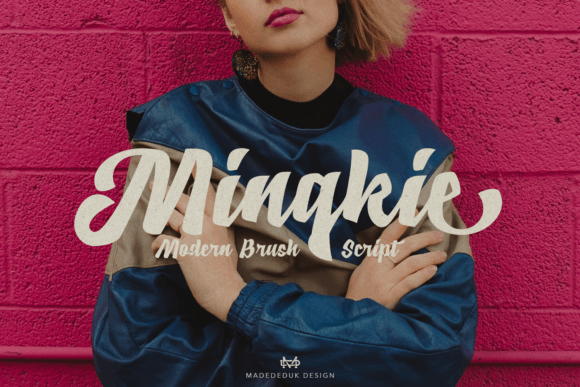
Mingkie is a modern brush script font that brings a retro charm to contemporary web design. Its fluid strokes and elegant curves create a visual rhythm that enhances readability without sacrificing style. As a web designer, I’ve found that Mingkie’s balanced approach to script typography makes it ideal for digital projects where both aesthetics and functionality are key.
Visual Hierarchy and Brand Tone
In web design, visual hierarchy is crucial for guiding users through content. Mingkie excels in creating clear hierarchies with its bold, expressive letterforms. It can be used as a headline font to draw attention or as a supporting typeface to add character to body text. The font’s refined yet playful personality makes it versatile for branding that aims to feel both professional and approachable.
Where Mingkie Shines in Digital Layouts
Mingkie is not just a decorative choice—it’s a functional one. Here are some practical applications:
- Hero Sections: Use Mingkie for large, impactful headlines on landing pages or banners to create a strong first impression.
- Call-to-Action Buttons: Its legible and stylized form works well for CTA buttons that need to stand out while maintaining brand consistency.
- Blog Headers: Apply Mingkie to blog titles or section headers to add a touch of sophistication and creativity.
- Portfolio Sites: Pair Mingkie with clean sans-serif fonts for a balanced look that highlights your work effectively.
- Online Store Banners: Use Mingkie for product names or promotional messages to catch the eye of potential customers.
- Social Media Graphics: Its modern brush style translates well into social media visuals, making it a great choice for Instagram posts or Facebook ads.
Readability Across Devices
As a UI designer, I always consider how fonts perform on different screen sizes. Mingkie maintains its clarity on mobile devices, especially when used in larger sizes for headings or buttons. However, it’s important to test its legibility on small screens and ensure adequate contrast against background colors. For dark backgrounds, light-colored text works best, while light backgrounds pair well with darker Mingkie variants.
Font Pairing Strategies
When designing digital experiences, font pairing is essential for visual balance. Mingkie’s script nature pairs beautifully with clean, modern sans-serif fonts like Montserrat or Inter. This combination creates a dynamic contrast that enhances readability and adds depth to your design. For editorial-style websites, pairing Mingkie with a serif font like Georgia can give a more traditional, trustworthy feel.
For digital branding, consider using Mingkie as a logo font or for taglines. Its unique style can help differentiate your brand from competitors while still maintaining a level of professionalism. When working with clients, I recommend testing font combinations in real layouts to ensure they align with the brand’s tone and goals.
Technical Considerations
Before implementing Mingkie in a project, check if it includes necessary styles, weights, and file formats for web use. Ensure that the font supports multilingual characters if your target audience includes non-English speakers. Also, verify that the font is commercially licensed for use in websites, landing pages, online stores, and other digital assets.
Some fonts come with multiple alternates or weights, which can be useful for adding variety to your designs. If you’re using Mingkie for a course sales page or product landing page, consider how different weights might affect the visual impact of your message.
Designing with Purpose
As a digital product creator, I believe that every font should serve a purpose beyond aesthetics. Mingkie does this exceptionally well by combining retro inspiration with modern usability. Whether you’re building a creative portfolio, launching an online store, or designing a SaaS landing page, Mingkie offers a unique way to express your brand identity while ensuring readability and user engagement.
Its versatility allows it to adapt to various contexts—from minimalist layouts to vibrant digital ads—making it a valuable asset in any designer’s toolkit. By understanding how Mingkie performs in different environments, you can make informed decisions that elevate your digital work and create meaningful user experiences.